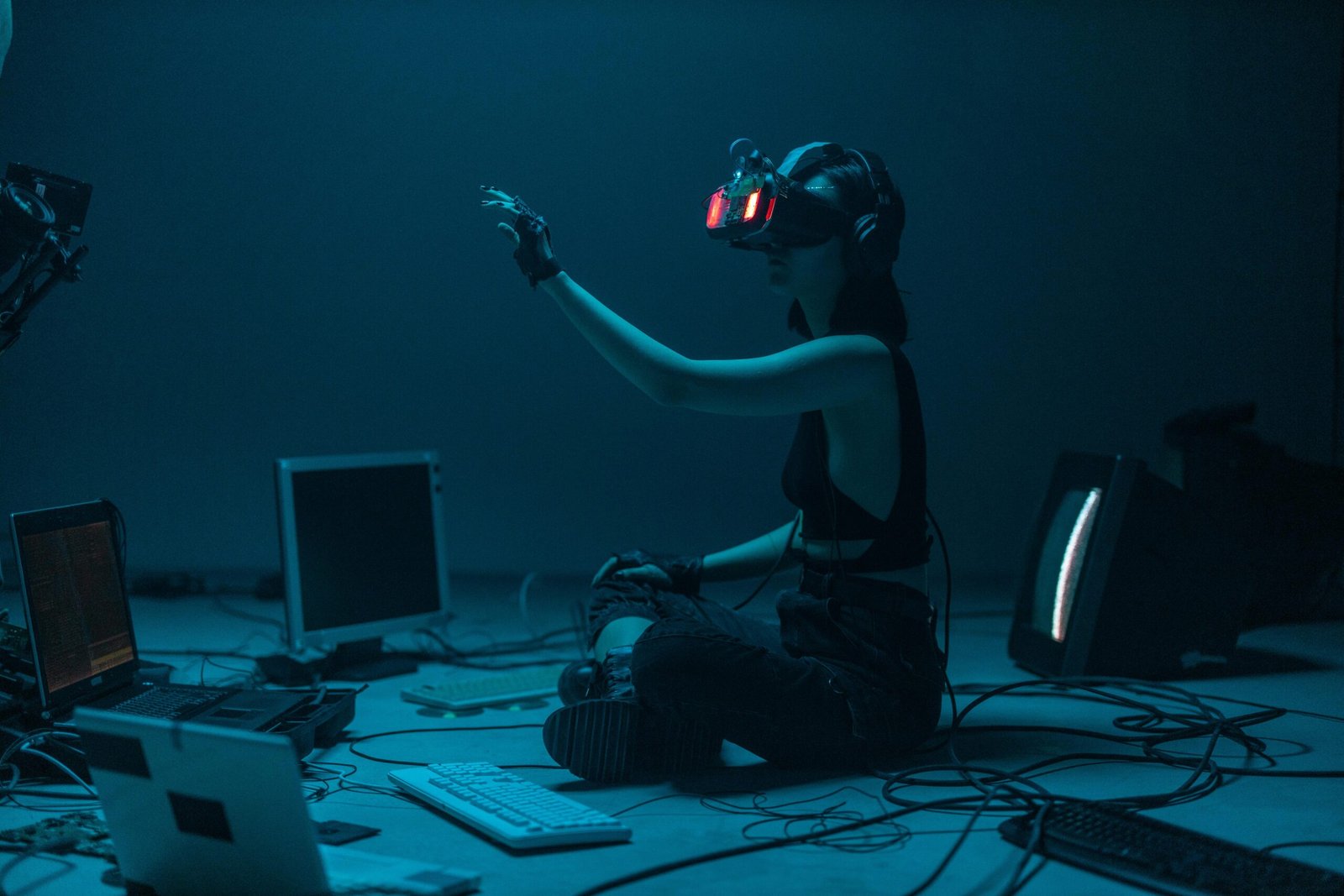
For decades, the keyboard has been our main gateway to the digital world. Every message, command, search, and idea has flowed through rows of plastic keys. But that’s changing—fast.
Voice assistants, gesture control, wearable tech, and AI-powered interfaces are reshaping how we interact with devices. As these new interfaces take center stage, we’re not just replacing tools—we’re redefining how we think, work, and create.
Here’s what it means for entrepreneurs and creators as the keyboard becomes less central to the digital experience:
1. Communication Becomes Faster—but Less Linear
Voice-to-text, prompts, and AI-driven suggestions make it easier to get ideas out quickly. Instead of typing sentence by sentence, you can now express thoughts in a more natural, conversational way.
That speeds up content creation, planning, and brainstorming—but also changes the flow of how ideas are structured.
You’ll need to adapt from linear typing to nonlinear input—working with AI as a thought partner, not just a tool.
2. Interfaces Will Shift from Passive to Predictive
Keyboards wait for you to act. New interfaces—especially voice and AI assistants—predict what you need.
Think:
- Apps that complete your thought mid-sentence
- Devices that anticipate your schedule or preferences
- Tools that suggest your next move before you make it
That means less friction—but also a greater need to guide technology with clear intent. In business, how you train your tools becomes as important as how you use them.
3. Accessibility and Inclusion Expand Rapidly
As interfaces move beyond typing, more people gain full access to digital creation. Those with physical limitations, language barriers, or less tech experience can now participate through voice, touch, and visual inputs.
Entrepreneurs who build with this future in mind—products, services, and content that support diverse input styles—gain a broader audience and a more inclusive brand.
4. Personalization Will Be the New Productivity
The more interfaces shift away from static tools, the more deeply they adapt to you—your voice, your patterns, your workflow.
Expect interfaces that:
- Respond to your tone and intent
- Adjust based on your habits
- Offer hyper-personalized suggestions in real time
This creates new opportunities for business automation, customer experience, and even personal development—if you’re intentional about how those systems learn from you.
5. The Real Skill Becomes Prompting and Guiding, Not Typing
As AI and smart interfaces become the norm, the keyboard isn’t the bottleneck anymore. The quality of your thinking is.
You’ll need to learn how to prompt clearly, give feedback to systems, and curate your input wisely. The new digital skill set is more about clarity and creativity, less about speed and shortcuts.
In this world, the best results come from those who know how to talk to machines like leaders, not just users.
Action Step
Try completing a task this week—like writing a note, planning a post, or creating an idea—without using your keyboard. Use voice tools, prompts, or touch interfaces instead. Notice how it shifts your thinking. The future of business belongs to those who adapt not just how they work—but how they interface.