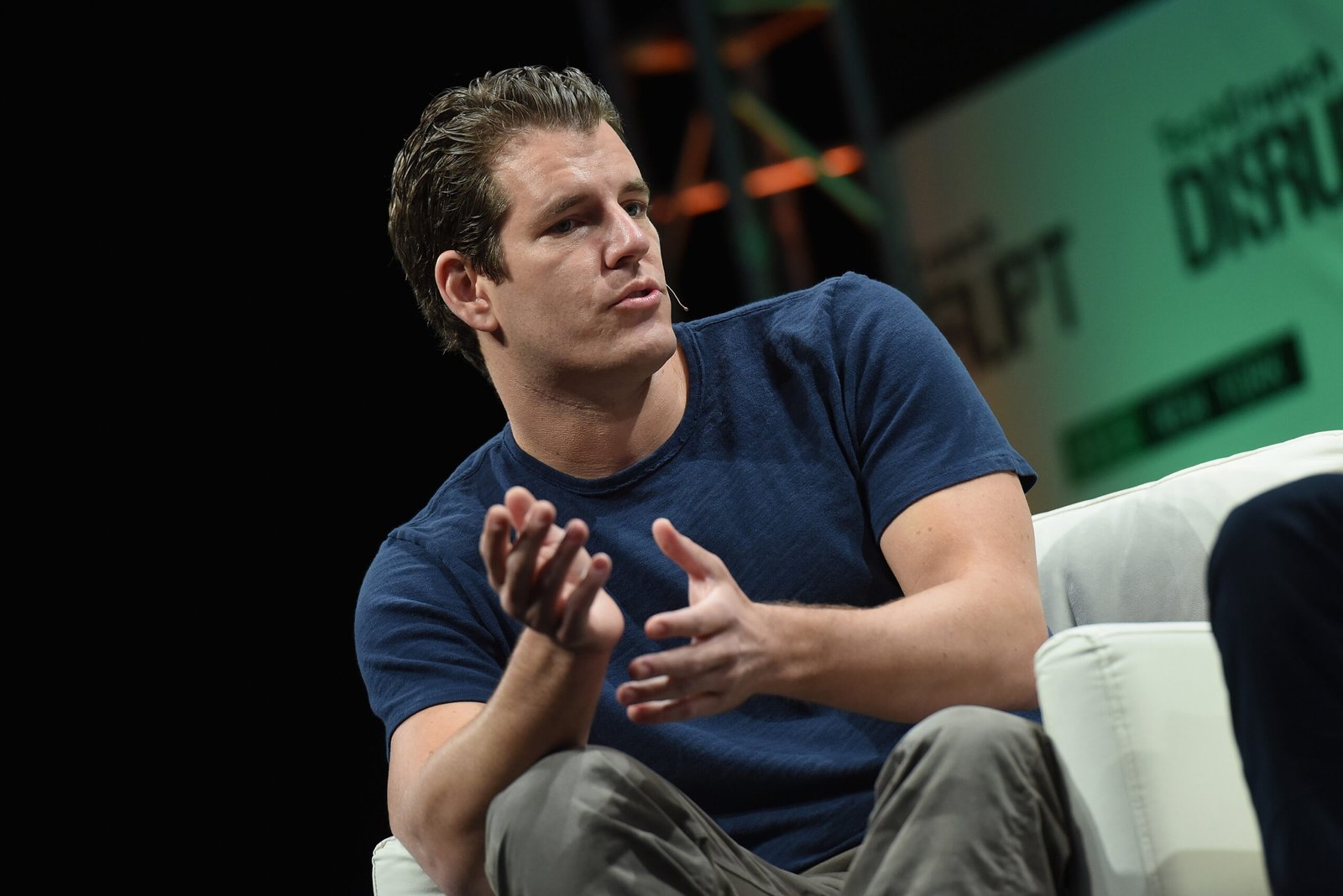
A Legal Battle That Made Headlines
Cameron and Tyler Winklevoss first entered the public spotlight not as entrepreneurs, but as plaintiffs. While students at Harvard, they hired a young coder named Mark Zuckerberg to help build a social network called ConnectU. When Zuckerberg launched Facebook instead, the twins believed he had stolen their idea. A legal battle followed—long, messy, and public. Eventually, the brothers reached a settlement of $65 million, a mix of cash and Facebook stock. Many thought that would be the end of their story.
Choosing Strategy Over Spotlight
But the Winklevoss twins didn’t disappear. Instead of chasing headlines or reliving the lawsuit, they focused forward. They had money, education, and a network—but more importantly, they had patience and vision. They knew that if they wanted to build something meaningful, they had to move beyond their past. The real story wasn’t the lawsuit—it was what they did with the money afterward.
Discovering Bitcoin Early
In 2012, years before most people had even heard the word “crypto,” the Winklevoss twins discovered Bitcoin. They weren’t day-traders or hype-chasers—they were true believers. They saw Bitcoin not as a trend, but as a breakthrough: a new digital form of money that could decentralize finance. They began buying Bitcoin when it was under $10 per coin. Eventually, they purchased around 1% of all Bitcoin in circulation, making them two of the world’s first crypto billionaires.
Building Trust in a Distrusted Industry
While crypto was gaining momentum, it was also gaining critics. Hacks, scams, and shady exchanges made headlines regularly. The twins saw an opportunity—not just to profit, but to professionalize the space. In 2014, they launched Gemini, a regulated cryptocurrency exchange built on security, transparency, and compliance. They worked closely with regulators, leaned into structure, and positioned Gemini as a bridge between traditional finance and the crypto future.
Competing with Giants, Staying Focused
The crypto world quickly filled with massive players—Coinbase, Binance, FTX. But Gemini stayed focused. The Winklevoss brothers weren’t interested in flash. They focused on building infrastructure, gaining trust, and staying compliant. While others chased fast growth, they built slowly and deliberately. Gemini became one of the first exchanges to gain approval in New York, one of the toughest regulatory markets in the world.
More Than Tech: Investing in Culture
Beyond crypto, the Winklevoss twins began investing in the broader Web3 ecosystem—NFTs, decentralized finance, and blockchain innovation. They also launched Winklevoss Capital, funding early-stage startups with long-term potential. Their belief? That the next internet wouldn’t be built by gatekeepers—it would be built by creators, coders, and communities. They backed projects not just for returns, but for the future they wanted to see.
Turning a Setback Into a Strategy
The Winklevoss story isn’t about a lawsuit—it’s about what came after. They took a very public setback and used it as fuel for a bigger vision. They didn’t fight for attention. They fought for direction. By betting on Bitcoin early, embracing regulation, and building for the long-term, they turned what could have been a footnote into a foundation. Their strategy proves that legacy isn’t what you win in court—it’s what you build after the fight ends.