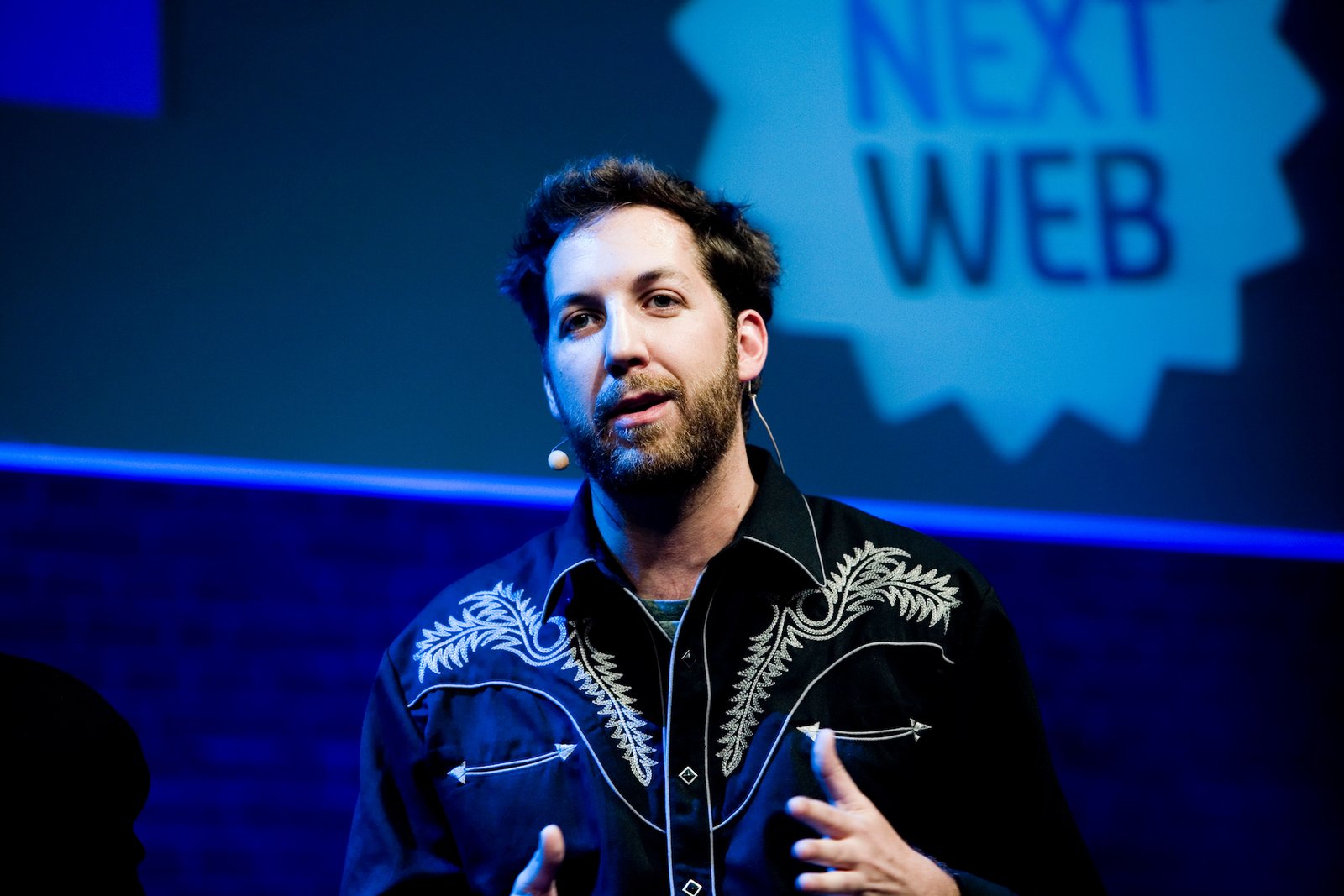
From Google Lawyer to Startup Investor
Before becoming one of Silicon Valley’s most successful venture capitalists, Chris Sacca was a lawyer. He joined Google in the early 2000s, working on telecom deals and helping scale the company’s wireless and data services. Though he wasn’t writing code, Sacca had a front-row seat to the tech boom and gained a deep understanding of how the internet would reshape global business. But after leaving Google in 2007, he made a pivot that would define his career: angel investing.
Betting Early—and Then Missing Big
Sacca used his savings to begin investing in startups. He made early bets on companies like Twitter, Uber, and Instagram—investments that would later be worth billions. But there was one deal he passed on that stayed with him for years: Dropbox. In various interviews, Sacca has talked about missing the chance to invest early in the cloud storage company when it was still young and relatively unknown. He admitted he didn’t fully grasp how significant it could become—and the regret stuck with him.
Learning to Trust Founder Obsession
That missed opportunity taught Sacca a valuable lesson: product alone isn’t the full story—founder conviction matters. He realized that many great companies are built not just by solving a clear problem, but by founders who are almost irrationally obsessed with their vision. After Dropbox, Sacca began focusing more on the personalities and passion of entrepreneurs, not just their pitch decks. He looked for people who couldn’t imagine doing anything else.
Building Lowercase Capital With a New Lens
With this new mindset, Sacca launched Lowercase Capital, his own venture fund. Instead of chasing every hot trend, he looked for early-stage companies solving real problems—with driven, mission-first founders. This approach led him to back Twitter, Uber, Instagram, Stripe, Kickstarter, and Twilio long before they were household names. Sacca’s bets paid off: by 2015, his fund had returned one of the highest ROIs in venture history.
Staying Small by Design
Despite his success, Sacca intentionally kept his fund small. He declined to raise a massive VC war chest, saying he didn’t want to deal with the pressure of managing a huge portfolio. Instead, he focused on being hands-on with fewer companies. He believed that personal attention, trust, and alignment were more important than capital alone. His lean, contrarian style made Lowercase Capital stand out in an industry known for chasing scale.
A Strategic Exit From Venture Capital
In 2017, Sacca announced that he was retiring from venture capital. He said he wanted to focus on personal priorities and explore other interests, including climate tech, philanthropy, and podcasting. But his strategy—invest in obsessed founders, stay small, and avoid the herd—continues to influence a new generation of investors.
Conclusion
Chris Sacca’s success wasn’t just built on the deals he made—but also on the one he missed. The Dropbox moment forced him to rethink how he evaluated people, products, and purpose. That single regret reshaped his investing philosophy, leading to one of the most successful track records in Silicon Valley. His journey proves that mistakes don’t just teach lessons—they can define strategy.