Inspired by a Droid, Driven by Possibility
Helen Greiner was just ten years old when she watched Star Wars for the first time. While most kids admired the action, she fixated on R2-D2—a robot that was not only functional but also full of personality and purpose. That character sparked a lifelong obsession with robotics. She didn’t want to just read about the future—she wanted to build it.
From MIT Dreams to Robotic Design
Pursuing her childhood dream, Greiner enrolled at MIT, where she earned degrees in mechanical engineering and computer science. At the MIT Artificial Intelligence Lab, she immersed herself in robotics research, fascinated by how machines could operate autonomously in complex environments. The influence of science fiction merged with technical discipline, helping her imagine robots as tools for everyday life—not just science experiments or war machines.
Co-Founding iRobot to Bring Robots Into Homes
In 1990, Greiner co-founded iRobot with Colin Angle and Rodney Brooks. Their mission was clear: take robotics out of the lab and into the real world. While the public still saw robots as futuristic or impractical, Greiner saw an opportunity to solve everyday problems. They began experimenting with military robots, space exploration tools, and eventually, consumer applications.
Launching the Roomba Revolution
The company’s breakthrough came in 2002 with the launch of Roomba, the autonomous vacuum cleaner. While Greiner was deeply involved in technical and strategic decisions, her underlying vision never changed: robots should be useful, accessible, and even a little magical. Roomba brought robotics into millions of homes—and proved that a science-fiction dream could become a household necessity.
Expanding Impact Beyond the Living Room
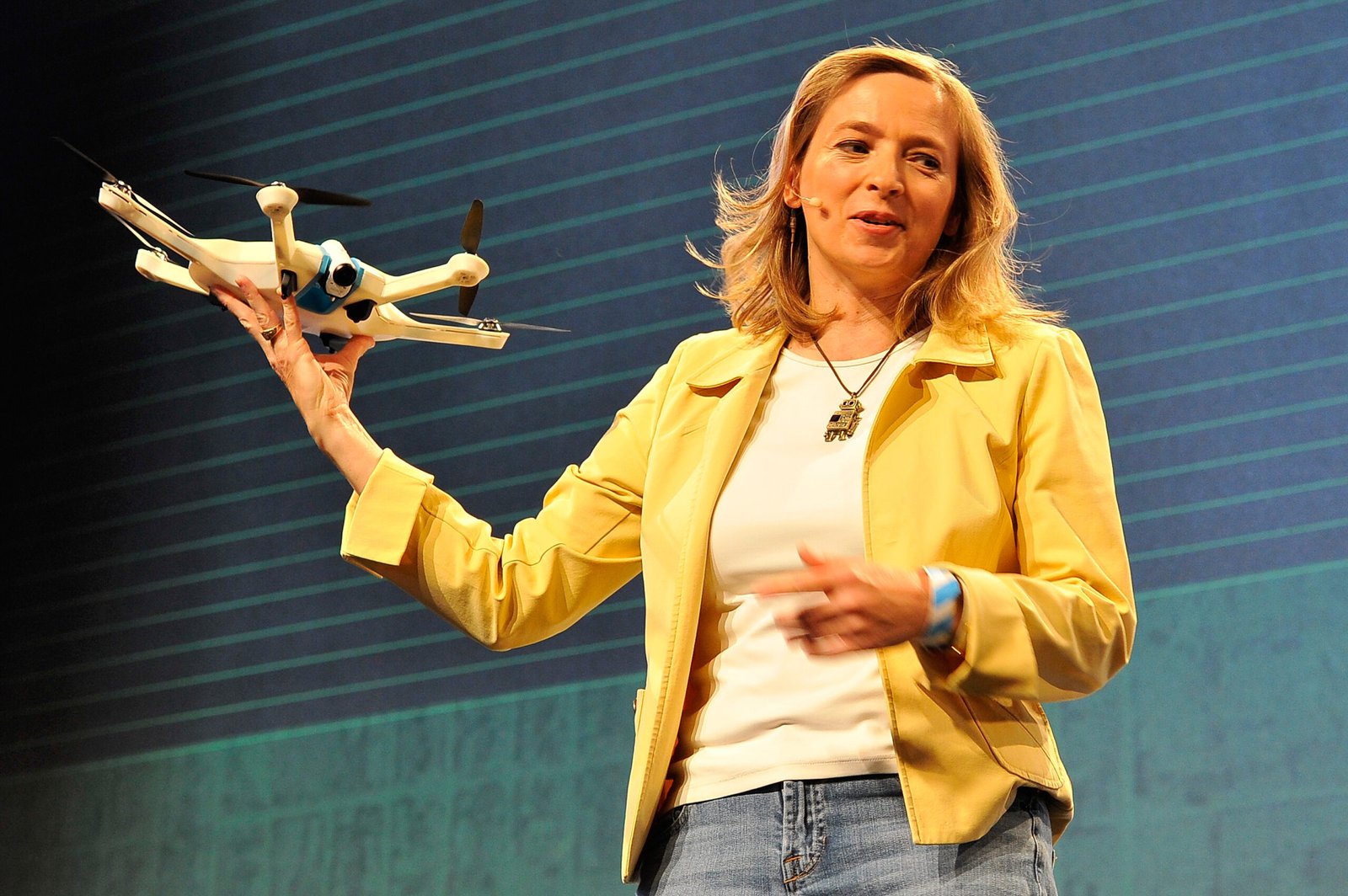
Greiner’s belief in practical robotics led her to explore other frontiers, including disaster response robots like PackBot and drone development through her company CyPhy Works. Her love for the imaginative world of sci-fi gave her the vision to see robots not just as tools, but as collaborators in human life.
Conclusion
Helen Greiner didn’t chase trends—she followed a childhood fascination that never faded. Her love of science fiction gave her direction, but it was her engineering skill and persistence that brought robotic technology into everyday homes. By turning imagination into invention, she made robotics not just real—but relevant.