Email might not be flashy, but it’s still one of the most powerful tools in your business. Unlike social media, your email list is something you actually own. You’re not battling algorithms—you’re landing directly in your audience’s inbox.
And the best part? You don’t need a complicated funnel or expensive software to get started.
Here’s how to set up a basic, effective email marketing campaign—step by step.
1. Choose the right email platform
Start by signing up for an email marketing tool. For beginners, look for one that’s user-friendly and budget-friendly.
Popular options:
- MailerLite – great for automation and simple design
- ConvertKit – perfect for creators and solopreneurs
- Brevo (formerly Sendinblue) – solid all-in-one tool
- Mailchimp – popular but can get expensive as you grow
Most tools offer free plans until you hit a certain number of subscribers.
2. Create a lead magnet to attract subscribers
People don’t just hand out their email address—you need to give them a reason. That’s where a lead magnet comes in: a free resource that solves a small problem for your ideal audience.
Simple lead magnet ideas:
- PDF checklist
- Free guide or ebook
- Quick tutorial video
- Discount or free trial
Make sure it ties directly to what you plan to offer later.
3. Set up a landing page or opt-in form
Your email platform will let you create a landing page or embed a form on your site. This is where people sign up to get your freebie.
Keep the landing page simple:
- Clear headline (“Get Your Free Budget Tracker”)
- One sentence about what it helps them do
- Form fields (usually just name and email)
Link to it from your social media bio, website, or content.
4. Write your welcome email
As soon as someone signs up, they should get an automated email that:
- Thanks them for subscribing
- Delivers the lead magnet
- Introduces who you are and what they can expect
This sets the tone for your relationship. Keep it friendly, helpful, and brief.
5. Create 2–3 follow-up emails
After the welcome email, send a few value-packed follow-ups over the next few days. These can:
- Share a story or lesson
- Provide a quick tip or resource
- Introduce a paid offer naturally
The goal is to build trust—not push a hard sell. Help first, sell second.
6. Promote your opt-in consistently
Your email campaign doesn’t work unless people see it. Promote your lead magnet:
- In your Instagram or Twitter bio
- At the end of blog posts or YouTube videos
- As a call-to-action in your content
- In conversations with potential clients or collaborators
Make it easy and obvious for people to join your list.
7. Track results and tweak
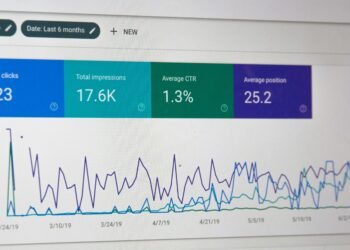
Most email platforms show you basic stats like:
- Open rates (how many people read your email)
- Click rates (how many clicked a link)
- Unsubscribes
Watch what works. If a subject line gets opened a lot, study it. If people aren’t clicking, make your calls-to-action clearer. Small tweaks make a big difference over time.
You don’t need to be an email expert to get results. A simple, clear campaign with a helpful offer and a few honest emails can go a long way—especially when you show up consistently.
Action Step
Pick one email platform and sign up today. Then create a basic lead magnet—nothing fancy, just useful. Set up your opt-in form, write your welcome email, and launch your first mini campaign this week. Keep it simple. Get it live. Improve as you go.