Starting From Setback, Not Success
Chris Sacca didn’t begin his journey as a wealthy investor. In fact, he started with a mountain of debt after trying—and failing—to launch a wireless company in the early 2000s. That failure didn’t break him. It taught him how to hustle, think creatively, and take smart risks. He used those lessons to get a job at Google during its early years, helping shape the company’s approach to wireless and data licensing. More importantly, he watched closely, listened deeply, and began to see what made great companies tick.
Seeing Value Others Overlooked
While at Google, Sacca started quietly investing in startups on the side. What set him apart wasn’t just timing—it was his ability to spot potential in ideas most people ignored. He wasn’t chasing polished pitch decks or trends. He looked for companies solving real problems with founders who had grit, curiosity, and vision. He took early chances on companies like Twitter, Uber, and Instagram—long before they were household names. His secret wasn’t money. It was belief.
Building a Brand Around Trust
Sacca’s venture fund, Lowercase Capital, wasn’t the biggest—but it quickly became one of the most respected. Founders wanted to work with him because he offered more than cash. He brought strategy, honest feedback, and a willingness to stand by entrepreneurs during the toughest moments. He wasn’t trying to control companies. He was trying to empower the people behind them. His reputation grew as someone who could spot game-changers early and help them grow with integrity.
Betting on People, Not Just Products
One of Sacca’s biggest strengths was his focus on the human side of startups. He backed people who were driven by purpose, not just profit. He often said he was more interested in how founders thought than what they were building. That instinct led him to invest in mission-driven companies like Stripe and Kickstarter—ventures that were building infrastructure for the digital economy in ways that aligned with his values. He didn’t just look at the market size. He looked at the mindset.
Stepping Back at the Right Time
After years of record-breaking wins, Sacca made a surprising move: he stepped away from tech investing. In 2017, he announced that he was retiring from venture capital. He didn’t exit because he failed. He exited because he wanted to reset, focus on new challenges, and avoid becoming someone who just chased deals out of habit. He later returned with a new fund, Lowercarbon Capital, focused on climate change solutions—a pivot that reflected his evolving priorities and long-term view.
Redefining What Winning Looks Like
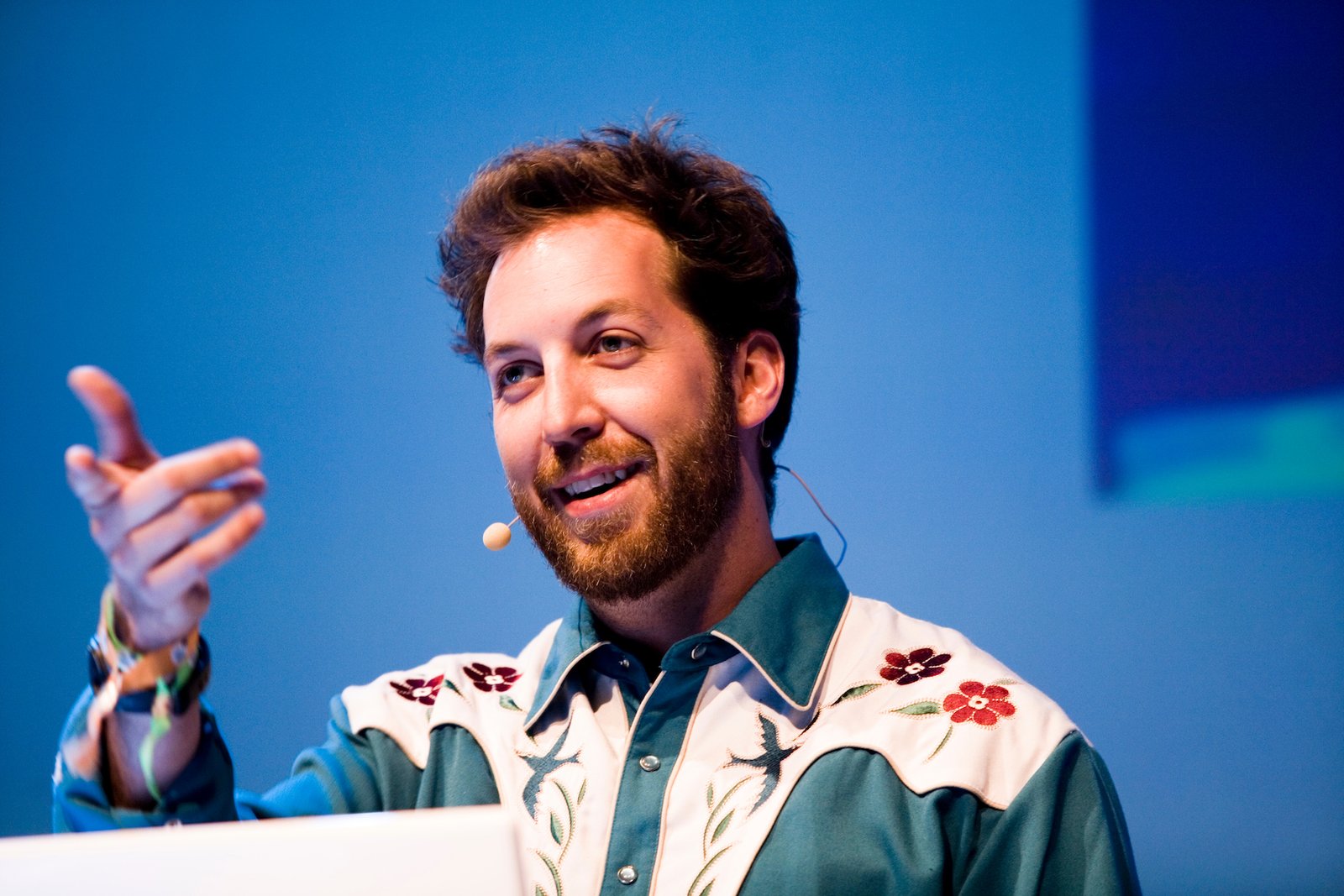
Sacca’s story challenges the usual image of a tech investor. He’s worn cowboy shirts on Shark Tank, spoken openly about burnout, and pushed for diversity and ethics in startups. He doesn’t just measure success by returns. He cares about impact, people, and leaving things better than he found them. That mindset helped him build one of the most successful portfolios in Silicon Valley history—by staying grounded in what really matters.
The Power of a Different Approach
Chris Sacca didn’t follow the traditional path. He failed early, invested small, and backed people others overlooked. But those choices gave him an edge. He won by trusting his instincts, staying curious, and focusing on long-term change instead of short-term noise. His story is proof that doing things differently doesn’t just work—it can lead to the biggest wins of all.