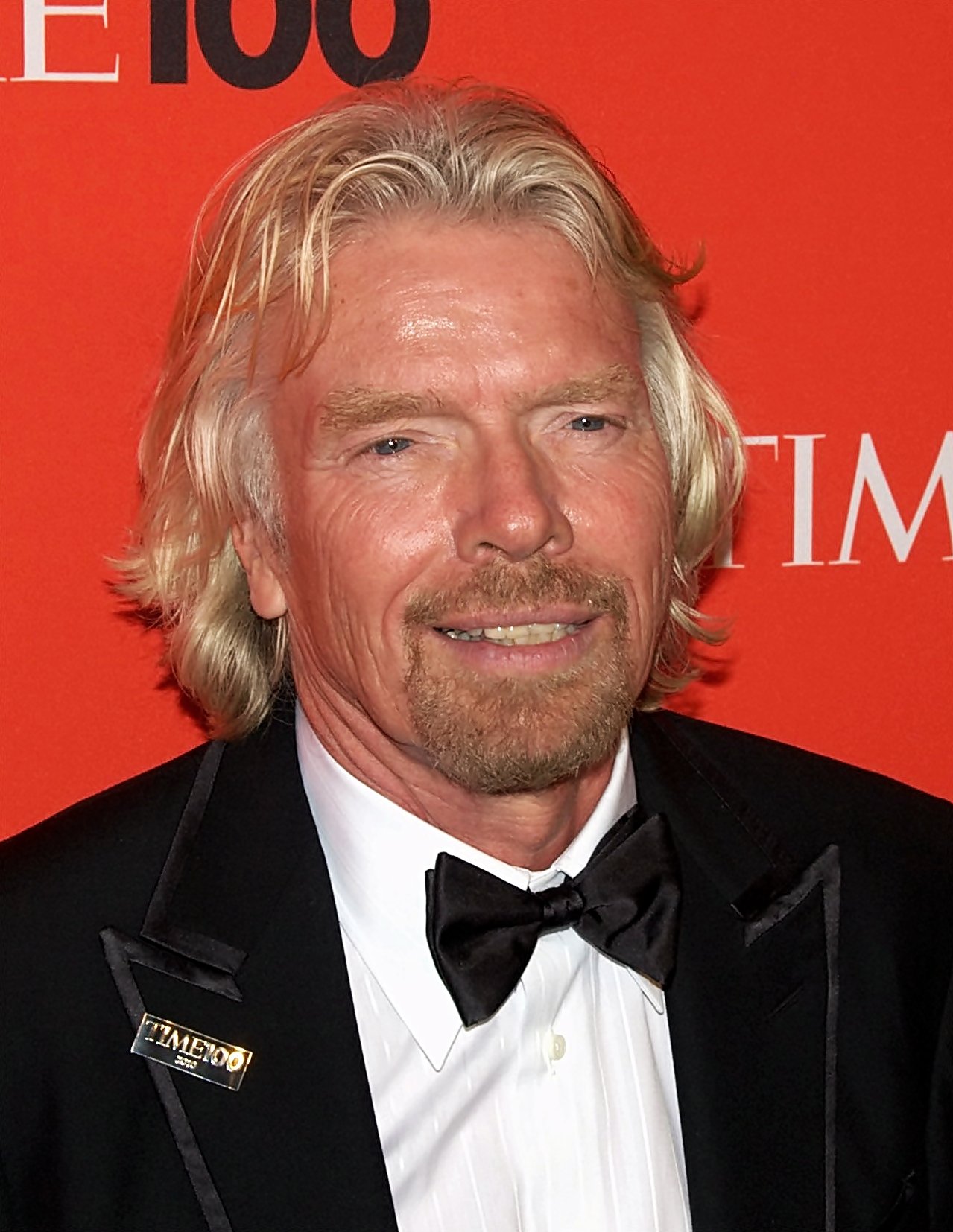
Richard Branson was never the kind of entrepreneur who waited to be ready. From the very beginning, his career was built not on credentials or experience, but on instinct—and an unshakable belief that if something felt right, he could figure the rest out later.
Long before he became the billionaire behind the Virgin empire, Branson struggled through school. Diagnosed with dyslexia and largely disinterested in traditional education, he left high school at age sixteen. What he lacked in academic accolades, he made up for with curiosity and nerve. While other teenagers were preparing for university, Branson launched a student magazine. It wasn’t just a creative outlet—it was his first taste of business, his first real experiment in chasing a gut feeling.
The magazine opened doors. It led him to interviews with notable figures, advertising deals, and unexpected access to the adult world of media and publishing. But Branson wasn’t interested in playing by the rules. The more he encountered traditional industries, the more he wanted to disrupt them. His instincts told him that authority was often out of touch—and that consumers were looking for something fresher, more human.
That same instinct led him to launch Virgin Records. It started as a small mail-order business selling discounted vinyl albums out of a church crypt in London. Branson didn’t know much about distribution or music retail, but he knew there was demand. Young people wanted cheaper records. And he had a knack for turning ideas into action before hesitation could creep in.
Virgin Records became a sensation. The brand grew fast, eventually opening its own recording studio, signing artists, and going toe-to-toe with the giants of the music industry. One of the label’s earliest and most important signings was Mike Oldfield, whose instrumental album Tubular Bells became a surprise hit and helped launch Virgin into the mainstream. Over the years, Branson signed acts like the Sex Pistols, The Rolling Stones, and Janet Jackson—artists other labels often avoided. His gut told him they had something. He trusted it, and it paid off.
But his biggest leaps were still to come.
In the 1980s, Branson took a risk that baffled almost everyone around him: he launched an airline. He had never worked in aviation. He didn’t know how to run a transportation company. But after a frustrating experience with a canceled flight, he sensed a gap in the market—a need for an airline that cared about the customer experience as much as the bottom line. Virgin Atlantic was born out of that single moment. It was less about strategy and more about instinct: this could be better, and we can build it.
Industry insiders predicted failure. Airline executives dismissed him as reckless. But Branson leaned into the brand’s rebellious spirit, bringing music, charm, and personality into an industry known for being rigid and cold. Virgin Atlantic offered better service, mood lighting, and a sense of play that won over passengers and slowly began to carve out space in a crowded market.
Again and again, Branson made decisions that defied logic. He launched Virgin Mobile with no telecom background. He started Virgin Trains without experience in rail. He even began pursuing space travel with Virgin Galactic, long before the commercial space race was mainstream. Each time, he led with instinct. He asked questions later. Sometimes he won big. Other times, he failed publicly. But he never let failure quiet the voice inside that told him to keep going.
What set Branson apart wasn’t expertise. It was courage. While others waited for the right time, the right degree, or the right conditions, he moved forward on feeling alone. That willingness to act—even in the face of doubt—is what built Virgin into one of the most recognized brands in the world.
For Branson, instinct has always mattered more than experience. And his journey proves that while knowledge can guide you, it’s belief—and the guts to follow it—that often makes the biggest difference.