Starting With a Different Perspective
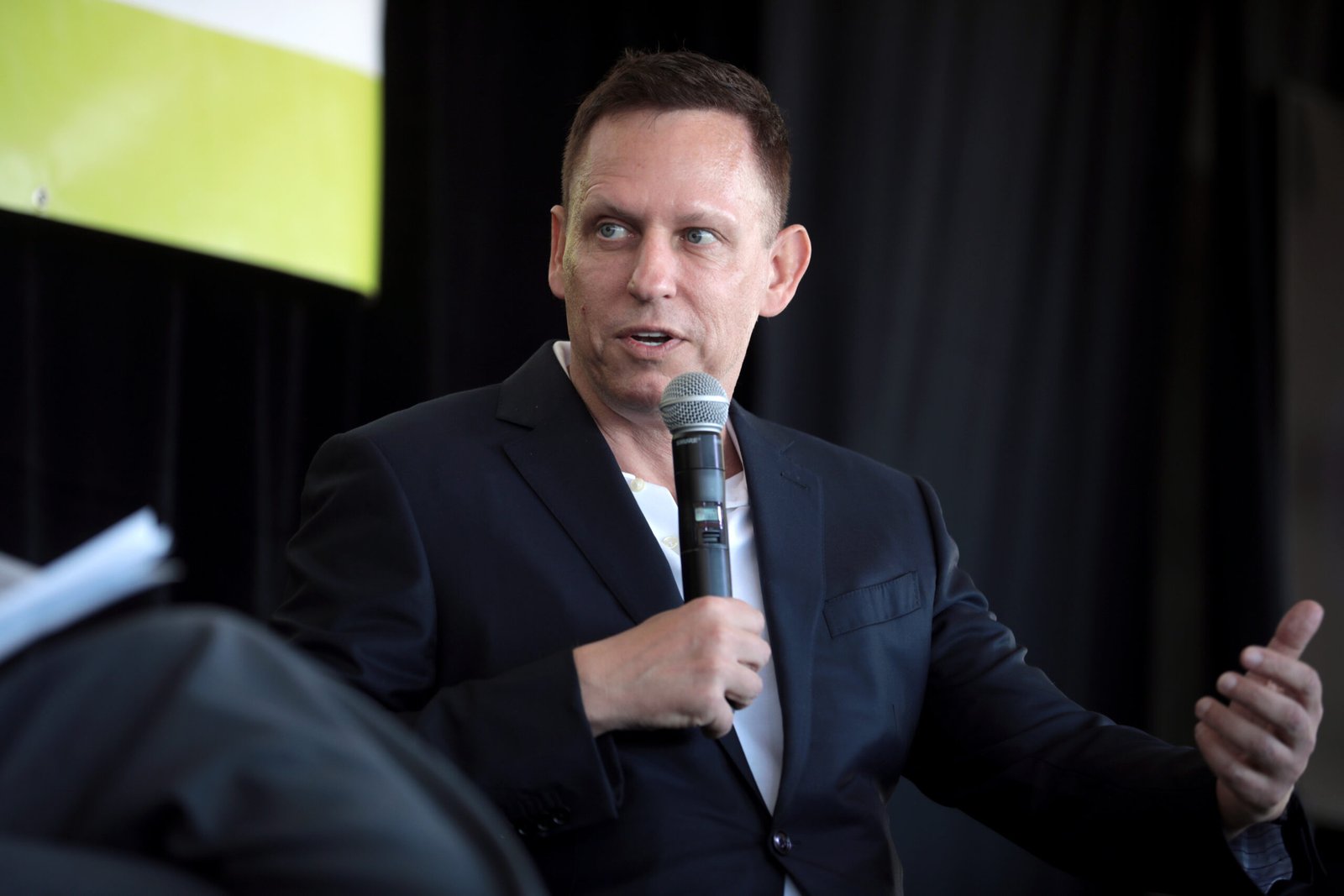
In Silicon Valley, speed is often everything. But Peter Thiel has always played a different game. After earning degrees in philosophy and law from Stanford, he co-founded PayPal in the late 1990s—not because he loved payments, but because he saw an opportunity to challenge the traditional banking system. Even then, he stood out not for moving fast, but for thinking deeply and acting strategically. That mindset would later define how he approached startups, investing, and global innovation.
PayPal as a Training Ground
Thiel’s role in PayPal wasn’t just financial. He was shaping a culture of bold ideas and unorthodox problem-solving. When eBay bought the company in 2002, it created a network of future tech leaders—the now-famous “PayPal Mafia.” But Thiel didn’t jump to start another company right away. He observed. He waited. And when he made his next move, it would become one of the most profitable bets in tech history.
Seeing Value Before Others Did
In 2004, Thiel became the first outside investor in Facebook, writing a $500,000 check for a 10% stake. At the time, Facebook was still a small social network for college students. Most investors didn’t understand the vision—but Thiel did. He believed in founder Mark Zuckerberg’s focus on product and scale, and he understood the long-term value of digital identity. That investment later turned into over $1 billion, not because Thiel acted quickly, but because he saw what others couldn’t—and waited.
Backing Big, Bold, and Often Controversial Ideas
Thiel’s investment strategy has always leaned toward high risk, high reward. He has backed companies like Palantir Technologies, which focuses on big data and government intelligence, and SpaceX, long before commercial space flight was mainstream. He doesn’t chase trends. He looks for visionaries building things others think are impossible, and he’s willing to wait years—or even decades—for those ideas to pay off.
Building Founders Fund With Patience in Mind
Through his venture firm Founders Fund, Thiel has created a space for long-term bets. The firm avoids chasing the hype cycle and instead looks for companies with durable missions, strong moats, and patient leadership. This approach has helped back a wide range of successful startups, from Stripe to Airbnb. The goal isn’t just financial growth—it’s to support businesses that will reshape industries over time.
Challenging Conventional Thinking
Peter Thiel is also known for his writing and philosophical outlook. In his book Zero to One, he argues that true innovation doesn’t come from copying others—it comes from creating something completely new. He encourages founders to build companies that become monopolies by solving hard problems in unique ways. His ideas are often debated, but his core message is clear: long-term thinking beats short-term wins.
A Legacy of Quiet Influence
Unlike many Silicon Valley giants, Thiel doesn’t chase media attention. He rarely appears at big launch events or tech conferences. But his influence is everywhere—from the startups he’s backed to the ideas he’s published. His ability to wait, think slowly, and bet big has shaped some of the most important tech stories of the past two decades. He’s proof that patience, paired with insight, can be one of the most powerful strategies in business.